My old sleeve always felt like a shirt I couldn’t take off, which is why I obsessed over finding a large cover up tattoo that actually felt like me again. I remember scrolling for hours — it’s wild how one design can change your whole vibe.
I made this post because I went through the painful, exciting, slightly terrifying process of covering old work and learned a few things the hard way. If you’re thinking about a large cover up tattoo, I’ve been there and can save you some time (and regret).
Below you’ll find 11 pins that inspired my own cover up hunt, plus notes on how each style might work for you and what to ask your artist. Save the ones you love – and yes, share with your tattoo buddy.
These 11 Large Cover Up Tattoo Ideas Will Make You Rethink Your Old Ink
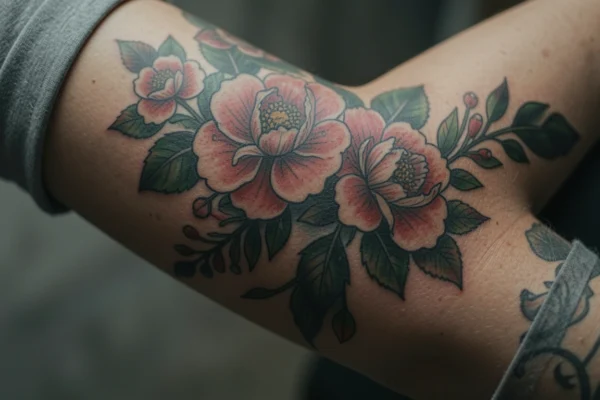
Soft Floral Arm Wrap
The black and white flowers here are classic for a reason – they blend into old black lines without screaming “cover up.” I used something similar to hide a faded script and it looked seamless after a touch-up. If your existing piece is dark, choosing dense petals and layered shading will help turn old mistakes into new shapes.
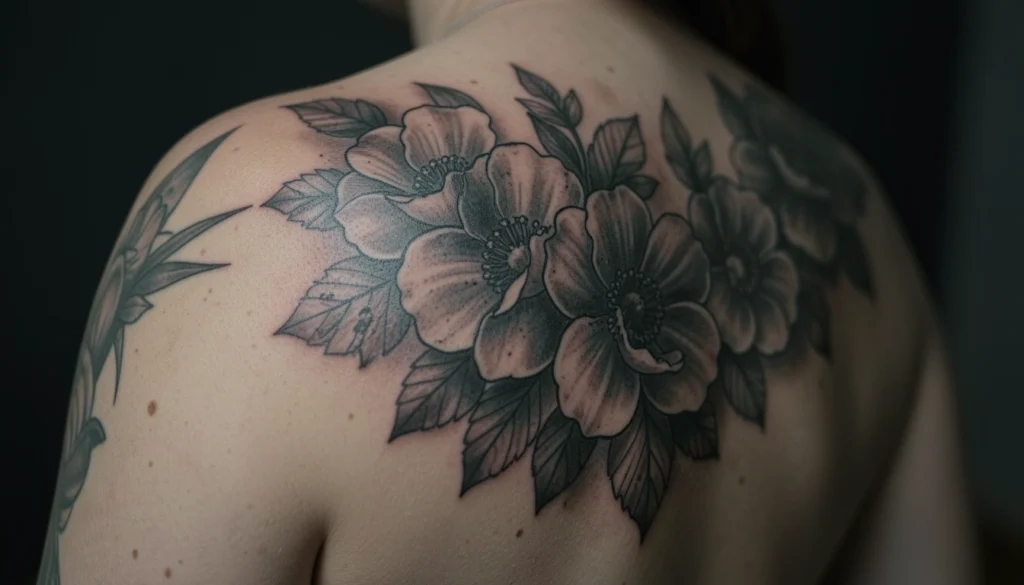
Shoulder-to-Arm Flow
This composition wraps nicely from shoulder to arm, which makes it perfect for disguising irregular edges and leftover ink. When I met my artist they sketched a similar flow to redirect attention away from the healed scar tissue I had. Try showing your artist photos of movement and clothes you wear so the piece reads right during real life.
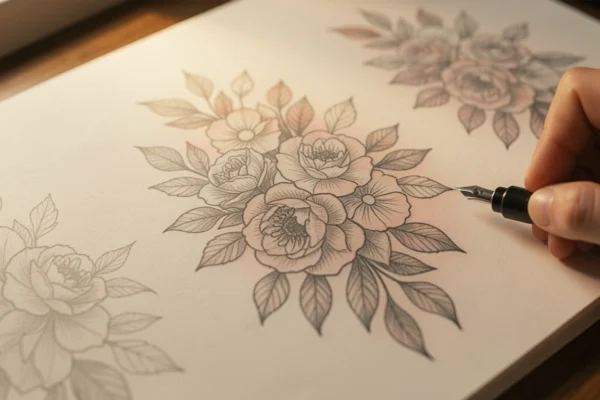
Botanical Sketch Study
This black and white drawing vibe is great when you want a softer cover up with texture instead of a solid block of ink. I almost picked a sketchier option for a previous cover up because I didn’t want something heavy, and honestly it disguised the old lines better than expected. You should know that fine-line sketches sometimes need extra sessions to sit dark enough over older work.
Full Back Statement
A big back piece like this is a cheat code if you’re covering lots of color and scattered tattoos – it gives the artist room to create contrast and flow. My friend got a full-back cover up and said she finally felt like the original art was never there, which is the dream. For big cover ups plan multiple sessions and accept that healing between each will refine how the design sits.
High-Contrast Arm Detail
The dramatic black background behind the arm piece here is what makes the new design pop while hiding old ink. I asked my artist for high contrast when I wanted to bury heavy pigment, and the result felt modern and intentional. If you’re nervous about losing detail, remember that contrast sells depth, not just size.
Red and Black Accent
Color can be used cleverly in a cover up – red accents over dark ink can distract and refresh a tired piece. I experimented with a tiny splash of color once and it totally revived the tattoo’s energy. Keep in mind that colored cover ups need the right pigments and sometimes a test patch to see how old ink reacts.
Dynamic Mixed-Placement
This one shows a lot of movement between arm and leg pieces which makes it awesome if you have separate old tattoos you want unified under one new idea. When I decided to connect two mismatched pieces it felt like sewing a quilt – and yes, that took a few careful days in the chair. Your artist will need to map lines across skin folds so plan standing and sitting references.
Monochrome Petal Block
The black-and-white flowers at the bottom of this sketch are smart because they build density where needed and leave air elsewhere. I once asked for a similar petal cluster to shelter a stubborn dark spot and it worked way better than a flat cover. Consider heavier petals near the problem area and lighter strokes as you move away.
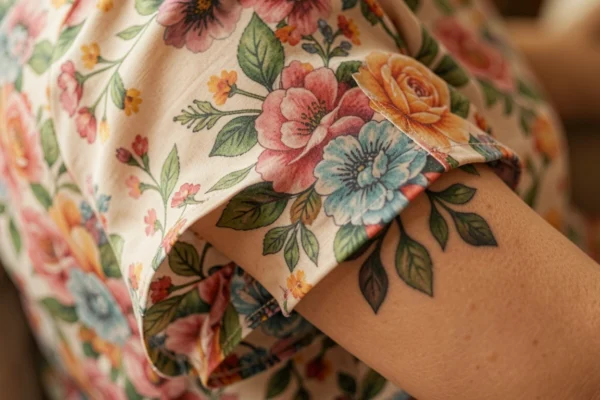
Shoulder Floral & Butterflies
Flowers and butterflies are classic for a reason – they create layers and motion that mask older shapes beautifully. My cousin used a butterfly motif to frame an old tattoo and the flight lines made the old edges vanish, which was kind of magical. If your skin has texture changes, ask for softer edges so the design reads naturally when you move.
Masculine Sleeve Blend
The heavier, masculine shading here shows how cover ups don’t always have to be floral or pretty – sometimes bold geometry or thick black blends are the answer. I recommended this style to a friend with a dense, dark old tattoo and it gave him a clean, intentional look. Before booking, think about whether you want to replace old imagery with something similar in tone or go totally opposite for contrast.
Delicate Black Flower
A single, well-shaded bloom like this can work wonders when you only need to cover a small area but want a large cover up tattoo vibe. I tried a one-flower approach during a touch-up and it gave the illusion of a bigger piece without committing to a full sleeve. If subtle is your goal, prioritize crisp edges and deep center shading so the old lines don’t peek through later.
How to Actually Make This Work For You
Find an artist who specializes in cover ups and bring honest photos of your current tattoo in natural light, plus examples you love so they understand the look you want; most shops will sketch options and tell you whether color, contrast, or size will do the job, and it’s okay to walk away if their plan doesn’t feel right. Book enough time – cover ups often take multiple sessions spaced out for healing – and be realistic about trade-offs, because sometimes hiding an old piece means embracing heavier shading or a larger design, which can actually end up feeling liberating. Finally, treat aftercare like you’re protecting a brand-new tattoo: hydrate, avoid sun, and go back for touch-ups if the old ink shows through as it heals.
Frequently Asked Questions
Short answer – not always. Dark, dense pieces or very bright colors sometimes need laser fading first, and your artist will tell you whether a strategic redesign or multiple sessions is the better move.
Expect at least two sessions for most large cover ups, especially if your original ink is saturated. Healing time matters, so plan weeks between visits and factor in possible touch-ups later on.
A thoughtful artist will design for flow, making the piece read as a new, intentional tattoo rather than a bandage. Texture, contrast, and placement all help it look cohesive across your skin.
Bring clear photos of the area from multiple angles, reference images you like, and be honest about your pain tolerance and budget. That info helps your artist suggest whether a large cover up tattoo or fading first is the right path.
Thanks for staying with me through these picks – getting a large cover up tattoo felt like reclaiming a little patch of myself, and I hope some of these ideas spark your next move. Save the ones you love or send this to a friend who needs a serious design glow-up. Seriously, if you end up getting inked tell me about it – I want all the photos.