Late one subway ride I found myself tracing screenshots of old-school lettering and thinking about a traditional trust no one tattoo like it was a tiny, stubborn secret I could keep on my skin forever.
Years after my first little script piece I still collect flashes and catalog styles that feel honest, not trendy, and I keep coming back to that stark phrase because it reads like a warning and a souvenir at the same time.
Below you’ll find 15 pins that span wrists, chests, backs, and odd placements – each one is a real example of how a traditional trust no one tattoo can look across different canvases, plus little notes on wearability and placement.
These 15 Traditional Trust No One Tattoo Ideas to Bookmark
Forearm Trust Mark
Forearm pieces like this read as bold but classic, and the way the script sits next to simple iconography makes it feel like a practiced statement rather than a trend. Once I saw a similar traditional trust no one tattoo in a sunlit shop window and almost booked it on impulse, which taught me to check how the letters sit with the natural curve of the arm. That small experience convinced me that placement matters almost as much as font.
Razor Edge Motif
Razor motifs and knives give a dangerous crispness to lettering and the contrast of metal with soft skin often amplifies the message of a phrase like “trust no one.” People I know pair the blade with roses or banners to keep the composition balanced, which softens the aggression without weakening the sentiment. I think this direction is for someone who wants their tattoo to read like a film prop but still hold up in daily life.
Back Statement Piece
Back placements let artists go big with composition, which is ideal if you want the words to live inside an illustrated scene with daggers or hands, and that extra space helps the letters breathe so they stay readable for years. When my friend sketched hers along the spine she said the phrase read differently depending on posture, which I loved because it made it intimate. Centered and large, a traditional trust no one tattoo on a back reads like a banner across a private story.
Red-Accented Skull
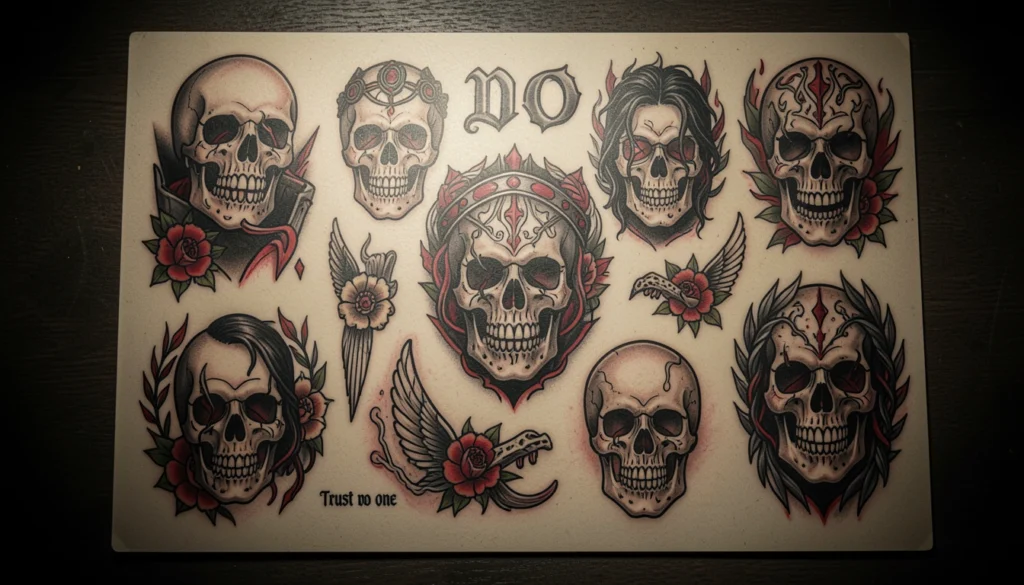
Red accents slice through black-and-white work and keep a traditional palette, giving vintage flash a contemporary punch that won’t feel dated in a few seasons. Often the pop of red anchors the whole piece so the phrase sits within a clear focal point rather than drowning in filler. That small splash is a favorite trick of classic shops.
Phone-Ready Flash
Phone-optimized flashes are designed to look sharp in quick photos and on small screens, which is great because most of us screenshot tattoos before we commit and start imagining them on our own bodies; honestly I saved a dozen pins after seeing one like this in my feed. Wait, actually, the first one I loved got covered later with flowers by its owner, so it’s a reminder that what feels perfect today can change. Still, these compact compositions are perfect for wrists or inner forearms where clarity matters.
Palm and Hand Idea
Palm and hand placements are a high-drama choice and they read as declarations you physically show to the world every day, which is part of their appeal but also their risk since skin there ages differently. Maybe skip palm interiors if longevity worries you but consider the outer hand or below the thumb for a similar look with better staying power. This kind of placement carries the vibe of a traditional trust no one tattoo in a very public but tactile way.
Monochrome Arm Detail
Monochrome work channels that old-school sailor energy and a strict reliance on line weight and shading to deliver meaning, so pick an artist who knows how to balance thick fills with delicate script. Before you sign off on a design ask to see healed photos from similar pieces so you can judge how the letters hold up next to solid black fields. A traditional trust no one tattoo in pure black is often the most timeless route if you want low-maintenance presence.
Clown Portrait Hand
Clown portraiture in a small hand tattoo turns a blunt phrase into a story, and that twist between playful imagery and stark messaging gives a piece character that lasts beyond the initial shock value. Another friend of mine uses portrait elements like this to anchor a phrase and people always ask for the backstory, which makes the tattoo a conversation starter rather than a billboard. Mixing humor and menace makes this a perfect way to soften “trust no one” while keeping it undeniably personal.
Gator and Rose Combo
Gator imagery punches up a design with personality, pairing animal symbolism with flowers to create contrast between threat and tenderness that pairs well with a distrustful phrase. Later I realized that symbols like a gator give your tattoo an extra layer of private meaning—maybe it’s a personal code or an inside joke—and that softens the sting of a blunt line. Designs like this transfer nicely to calves or outer thighs where there’s room to show off the details.
Chest Skateboard Script
Chest placements make any text feel monumental, especially when paired with items like skateboards or banners that speak to identity and lifestyle, and a bold chest script becomes part of how you carry yourself. If you skate and tattoo, this kind of piece will age into your story more naturally because the imagery is tied to your hobbies. A traditional trust no one tattoo over the sternum or collarbone is dramatic but also very cinematic in photos.
Simple Arm Stencil
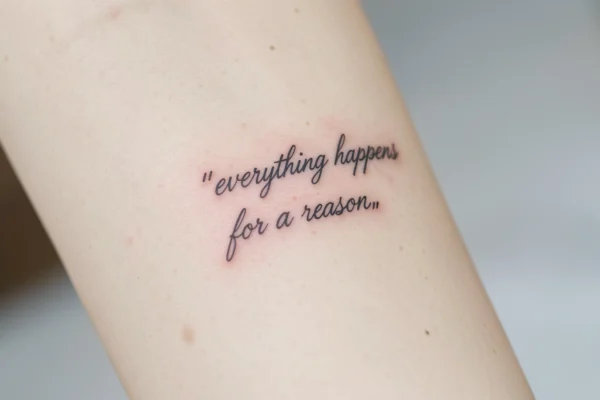
Simple stencil-style scripts are underrated because they age cleanly; minimalism forces you to trust the message without decorative frills, and that honesty is appealing to people who want something discreet but meaningful. While I adore maximalist sleeves, the pared-back trust no one tattoo often reads more powerful because there is nowhere for the eye to hide. Artists who specialize in script will tell you that negative space is your friend with these.
Twin Chest Vibes
Twin motifs or mirrored pieces flank a phrase nicely and soften the bluntness without diluting the message, offering symmetry that makes strong wording feel considered instead of angry. Remember when matching and symmetrical tattoos were rare? now they read like curated choices, and this approach can make a trust-no-one line feel like part of a broader design system. Paired bodies of work invite people to look closer.
Coiled Snake Arm
Coiled snakes wrap text in symbolism about caution and protection, which matches the emotional complexity of “trust no one” by hinting at guardedness rather than overt hostility. Often a snake motif allows the phrase to sit within movement, giving it life across muscle and motion which helps prevent the lettering from warping as the body changes. Saturation in deep black with small white highlights will make scales and script sing together.
High-Contrast Arm
High-contrast treatments make tattoos pop in daylight and photos, prioritizing legibility so a short phrase reads clearly from a distance and up close. Also talk to your artist about spacing and kerning because letters that are too tight blur over time and defeat the point of choosing bold script. Keeping a traditional trust no one tattoo with heavy negatives keeps readability and attitude intact as it heals and ages.
Close-Up Wrist Bookmark
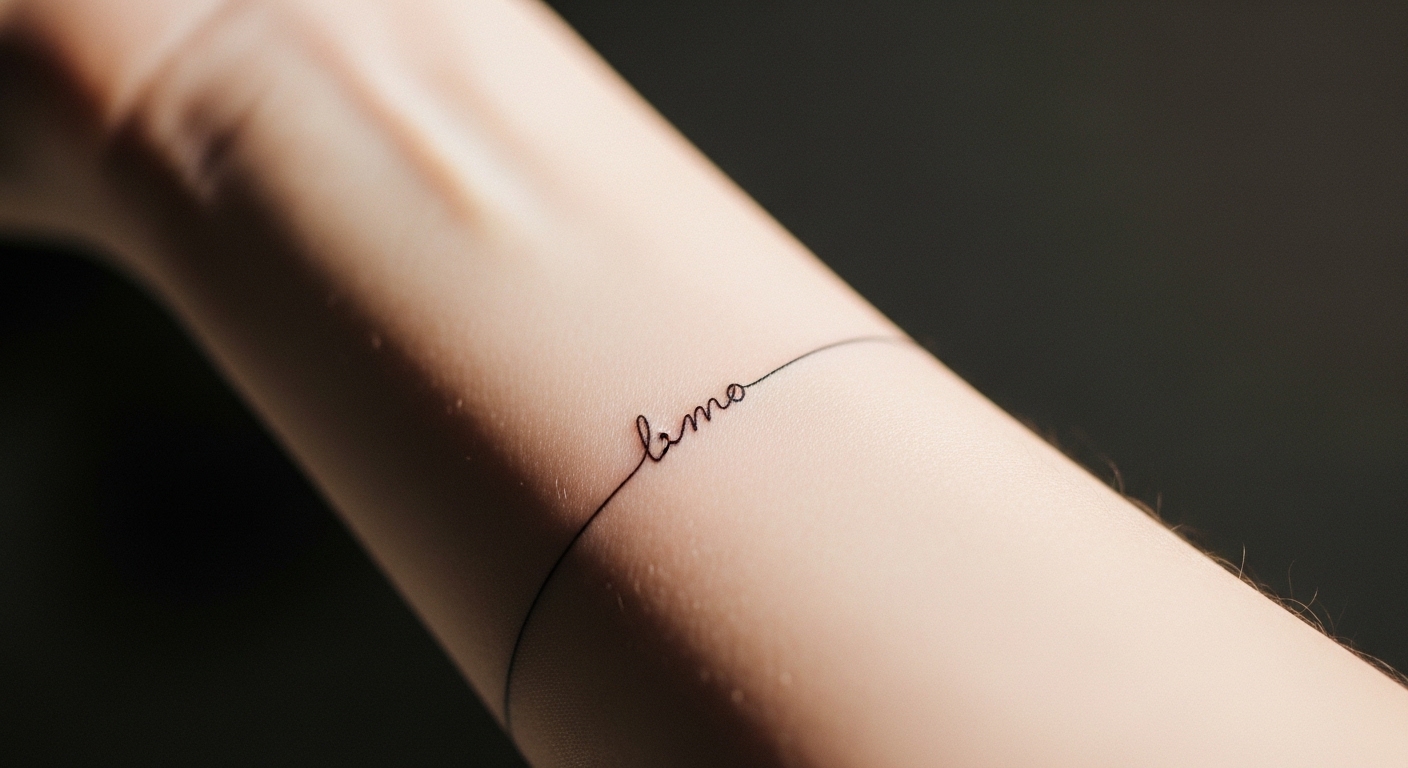
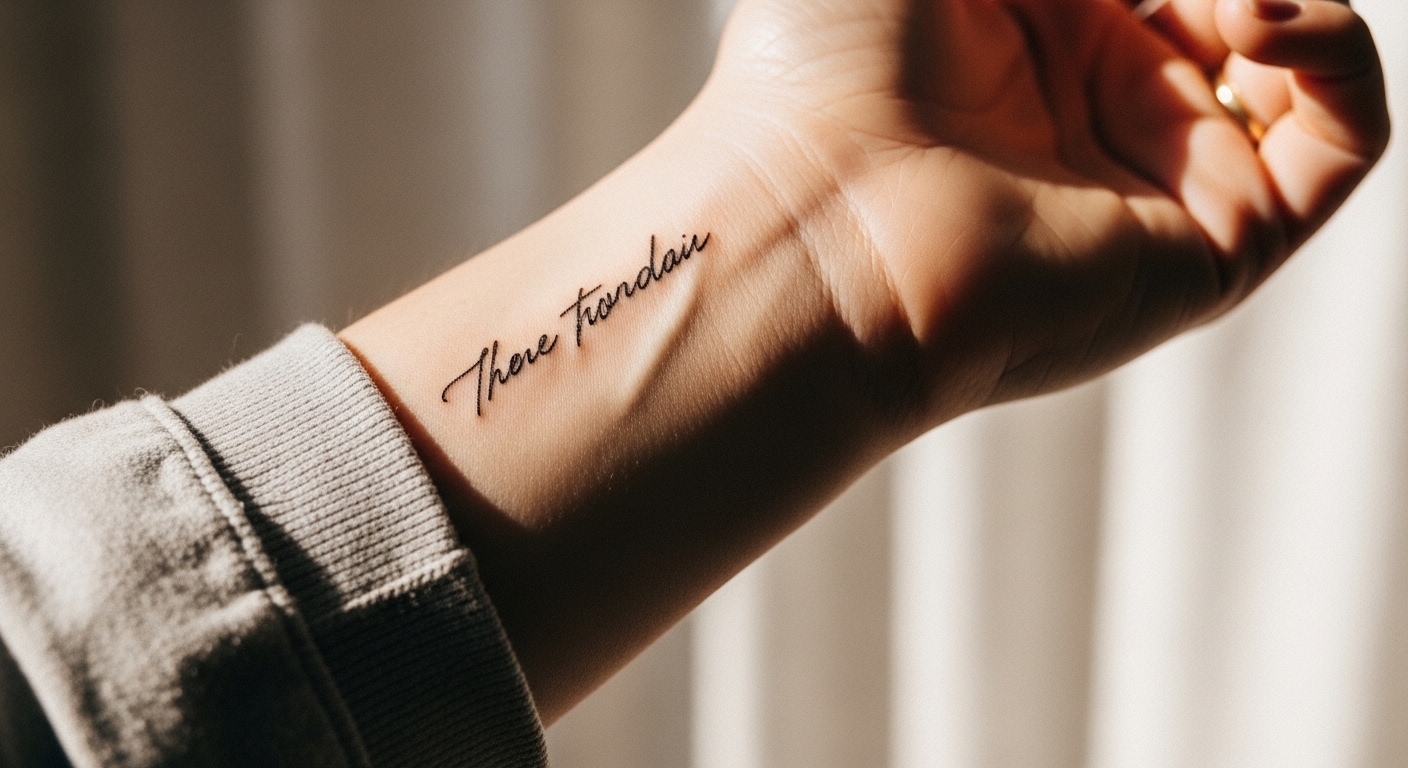
Close-up wrist pieces act like personal bookmarks you check throughout the day, and when done with crisp lines they maintain clarity even under frequent sun and washing, but the wrist is unforgiving so insist on experience. Quick consultations and stencil tests help avoid cramped letters that will bleed, which is especially important for a phrase that needs to be read exactly as written. Finally, small experiments in placement will save you from a tattoo you regret.
How to Actually Make This Work For You
Pick an artist whose healed photos you like and show them a mix of the images you saved so they understand the tone you want – not just the phrase but the visual family it belongs to – and bring notes about placement, pain tolerance, and how visible you want the piece to be. Also ask for stencil tests and healed-by-two-year photos because the best traditional trust no one tattoo starts with decisions about spacing and line weight that consider future wear, sun exposure, and skin type; good artists will tailor letter size to the canvas so your words stay crisp. Lastly, be patient with color choices and sizing because slightly larger lettering often outlives tight scripts, and if you’re on the fence consider starting small in a forgiving spot and expanding later when you’re sure.
Frequently Asked Questions
A traditional trust no one tattoo usually signals guardedness or a life lesson and can be symbolic or aesthetic depending on your story, so think about why the phrase matters to you before committing.
Hands and fingers fade faster and are prone to blur, so unless you want frequent touch-ups pick a nearby area like the outer hand or forearm for better longevity.
Follow your artist’s aftercare, keep the tattoo clean and lightly moisturized, avoid soaking and sun, and use SPF long-term to protect delicate lines after healing.
Absolutely – swapping fonts, adding classic icons, or translating the words can make the piece personal while keeping its core sentiment, as long as spacing and readability are respected.
Okay, I get it – the phrase is intense, but if you’re drawn to a traditional trust no one tattoo it probably means you want something that tells a story, not just looks cool. Save the ones you love, show an artist the pins, or share this with that friend who always texts you tattoo ideas at midnight. If you end up booking, please tell me where you put it – I live for placement selfies.