My mom’s old floral kimono made me obsessed with patterns long before I cared about needles or pain. I still get a little thrill when I see sleeve traditional japanese tattoos that weave flowers and waves together like a story you can wear.
Years ago I sketched my first sleeve idea on paper and then on my arm with a washable marker – yes, really – and that awkward practice run taught me how much planning matters. I kept tweaking motifs, stealing a petal here and a koi curve there, so this post exists because I live to collect inspo and wanted to give you one tidy place to scroll.
Below you’ll find 21 curated pins and short, honest thoughts on each design, plus tips for making sleeve traditional japanese tattoos actually work on your body and lifestyle.
These 21 sleeve traditional Japanese tattoos you’ll want to screenshot
Red Floral Beach Vibe
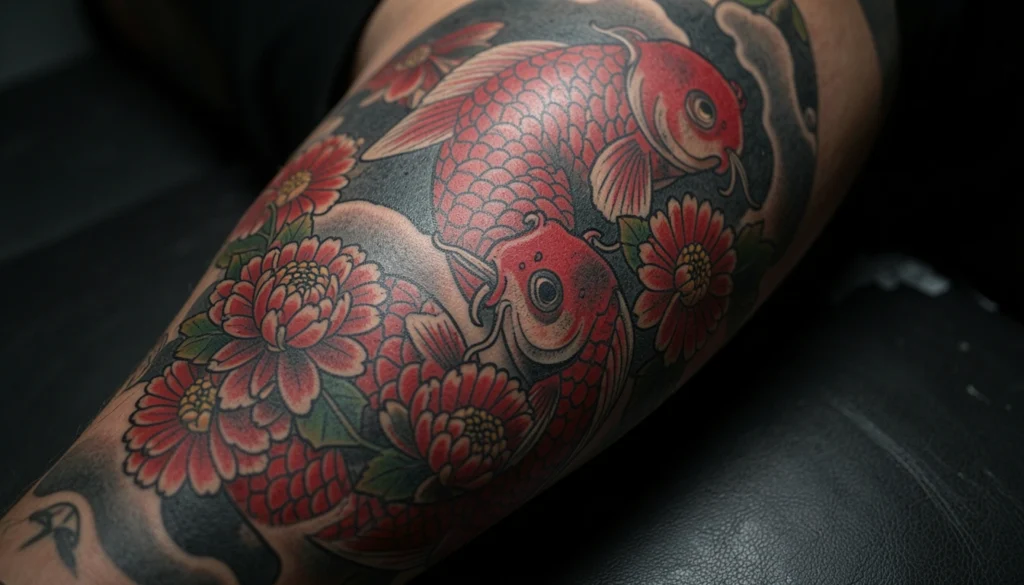
That splash of red against black feels like a sunset I wish I could bottle. Seeing this one made me think about contrast – dark backgrounds let red flowers sing on a sleeve traditional japanese tattoos layout. If you like bold color, ask your artist about layering inks so those reds stay juicy over time.
Shoulder-to-Arm Flourish
So elegant. The way the design curls from shoulder to arm feels like it was made to move with your body. When I first saw a shoulder transition like this I wanted it for myself, and later learned that a good artist plans negative space to keep things readable on a full sleeve.
Chest and Sleeve Blend
That chest-to-arm continuity gives major cinematic energy. For anyone expanding an arm piece into a chest panel, try sketching how elements overlap – it saves you from a patchwork effect. Also, remember that curved chest surfaces change how motifs like koi scale up.
Black Floral Linework
Clean black florals aged beautifully on my friend’s sleeve, and this pin is the kind of reference that shows why. I told her once that less can feel louder, and here the negative space lets each bloom breathe. Consider this if you want that traditional vibe without full color.
Subtle Arm Portrait
This one reads quiet from afar but detailed up close. I love designs that reward a second look because they age gracefully and reveal texture over time. You might ask your artist for slightly thicker outlines if you want long-term crispness on a sleeve traditional japanese tattoos project.
Dual-Arm Symmetry
Symmetry gives a polished, intentional feel here. My cousin mirrored a motif between both arms once and swore it made outfits easier to style. If you’re considering paired sleeves, plan sessions with the same artist to keep line weight consistent.
Dragon Sketch Pair
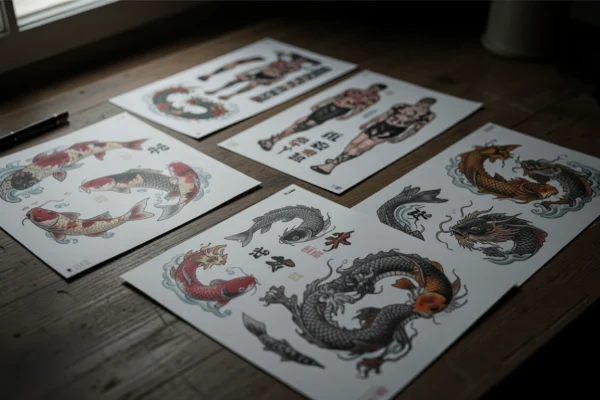
These black and red dragon sketches are classic and dramatic. I sketched dragons for months before committing, because proportion freaked me out – dragons can easily overpower the arm if scaled wrong. Ask for stencils or temporary transfers so you can live with the placement a few days first.
Brick-Wall Edge
The brick wall backdrop gives this sleeve real attitude. That urban texture inspired me to pair florals with sharper wave work when I designed my own, and it kept the piece from feeling too soft. Try visual contrasts like this if you want a sleeve that reads strong and nuanced.
Monochrome Wave Flow
Black and white waves feel timeless, like an old woodblock print come alive. I once swapped color for value-only ink and loved how it emphasized line. When contemplating sleeve traditional japanese tattoos, value studies are a great way to preview depth without committing to color.
Botanical Back Detail
There’s something gentle about leaves wrapping around muscle – it softens the arm. My aunt chose similar leaf placement to draw attention away from a scar and it worked beautifully. If you have unique marks, plan motifs to integrate them rather than hide them awkwardly.
Geisha-Inspired Tank
Incorporating cultural figures like geisha needs sensitivity and discussion with your artist. I chatted with a friend about symbolism for hours before deciding on a respectful approach. Make space for research and consider the story you want your sleeve traditional japanese tattoos to tell.
Swirls and Flower Close-Up
Close-ups like this are gold for texture reference. I used a similar photo to ask my artist for softer shading around petals and it paid off. If texture matters to you, request multiple reference angles so your artist can translate depth into ink.
Koi and Leg Harmony
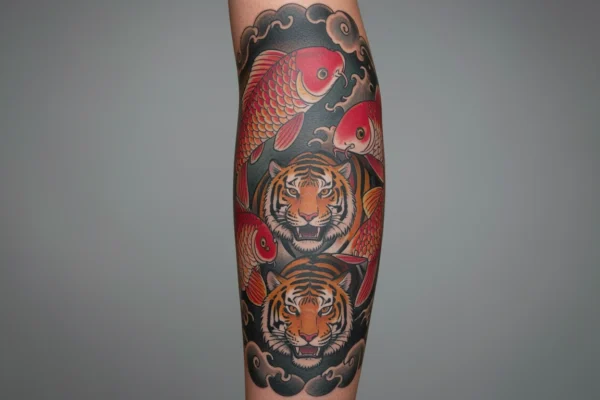
Seeing a koi on the leg reminded me that flow isn’t limited to arms – it’s about the whole silhouette. My friend extended a sleeve into a thigh piece and it created a cohesive language across limbs. Think about how a sleeve traditional japanese tattoos design might connect to other projects you’ll want later.
High-Contrast Full Sleeve
That blanket of red and black reads like armor. I actually froze the first time I saw a sleeve that intense because it felt so committed – in a good way. If you crave full impact, prepare for longer sessions and budget for saturation touch-ups down the road.
Classic Arm Portrait
Simple, bold, and readable from across the room. A friend chose this approach to keep their daily look versatile. Consider how your job and wardrobe will interact with an ornate sleeve traditional japanese tattoos before booking.
Black Background Drama
Heavy backgrounds sharpen foreground motifs beautifully. When I requested a dark backdrop for my own ink, the artist warned about longer healing times, which matched my experience. Plan downtime after sessions that add large black fills.
Minimalist Dark Ink
This one proves that traditional themes can be pared down without losing soul. I’ve always gravitated toward simpler compositions because they age more predictably. If you prefer low-maintenance, discuss line thickness and spacing with your tattooist.
Countertop Studio Shot
Studio shots like this are helpful for seeing placement and scale. I used similar photos to explain exactly where I wanted waves to end on my arm. Bring multiple references to your consult so you’re both literally on the same page.
Sharp Single-Motif Arm
A single strong motif can carry an entire sleeve if it’s well-placed. I once spent two sessions building up one central piece and it felt cohesive from the start. If you go this route, map how surrounding filler will support the main element.
Layered Chest and Arm
Layering nuances here are everything – see how flowers overlap waves and still stay distinct. I experimented with light and dark layers on my forearm and learned that patience matters more than speed. Schedule sessions that give your artist time to build texture thoughtfully.
Casual Bike-Ready Sleeve
That casual, lived-in look makes the sleeve feel personal, not just decorative. My roommate rides a bike and chose a similar placement so tattoos peek in summer and tuck away in sleeves when needed. Think practically about how your daily life will show or hide sections of your sleeve traditional japanese tattoos.
How to Actually Make This Work For You
Start by collecting clear images of styles you love and those you don’t, and then prioritize why you like each element – color, flow, subject, or cultural reference – because that clarity guides the artist. Next, meet with your chosen tattooist for a consult where you bring photos, discuss placement and skin tone considerations, and ask to see healed work in the artist’s portfolio; good artists will coach you on scale so motifs read properly from both near and far. Plan your sessions with healing and budget in mind – large traditional sleeves usually require multiple appointments spaced weeks apart so ink settles and you can reassess saturation; consider booking your first two sessions close enough to keep momentum but far enough to let swelling fully resolve. Finally, think long term: commit to aftercare, schedule touch-ups when colors fade, and treat your skin like an investment because sun and neglect are the fastest ways to lose detail – wait, actually, sunscreen is the secret weapon here.
Frequently Asked Questions
A full sleeve can range from 10 to 30 hours of tattooing depending on complexity and color. Plan multiple sessions spread over weeks or months so you can heal properly and reassess after each visit.
Some colors, like bright reds, tend to fade faster, but regular sunscreen, good aftercare, and occasional touch-ups keep colors vibrant. Choosing the right artist and ink quality helps a lot too.
Absolutely – artists design sleeves to flow with anatomy using placement, scale, and negative space. Bring photos of your body and reference images so your artist can customize the layout.
Search portfolios for healed work, read client reviews, and have a consult to discuss symbolism and technique. Trust your gut about communication – you want someone who listens and offers clear suggestions.
Alright, that was a long scroll – thanks for sticking with me. If any of these sleeve traditional japanese tattoos caught your eye, save the image and tag a friend who would freak out over the same style. When you finally book that consult, send me a photo – I love seeing how inspiration turns into real ink.