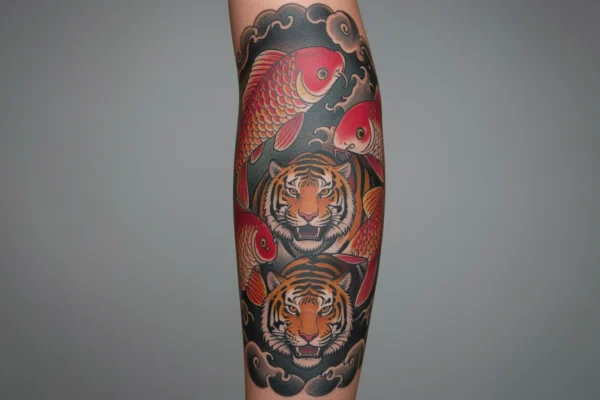
I still remember tracing the bold outline of a koi on my friend’s arm in a tiny studio – it felt like someone had painted a mini ocean on her skin. Colorful traditional japanese tattoos pull you in like that, equal parts storybook and storm. They make me want to plan an entire sleeve just to see how the colors flow together.
Years of pinning and scribbling designs led me here, sharing the best pins that made me gasp or jot a note. I’ve spent weekends comparing line work and palette choices, and I’m a little obsessed with how peonies and waves balance a fierce dragon. If you’re hunting for inspiration, these colorful traditional japanese tattoos are the mood board you didn’t know you needed.
Below you’ll find 23 pins with short thoughts, tiny design notes, and a couple of real-life confessions about my tattoo journey. Save what you love and maybe share a few with that friend who always says they want a sleeve.
These 23 Colorful Traditional Japanese Tattoo Ideas Will Make You Want to Book Time
Demon With Chains
That demon drawing has so much attitude – the chains and the expression feel cinematic. I love how classic Japanese yokai imagery can be brightened with saturated reds and blues. If you like bold narratives, this is a reference you’ll come back to again.
Arm Story Portrait
A portrait-style arm piece like this makes the sleeve read like a storybook page. My roommate actually picked a similar placement and it looks amazing in motion. You could pair faces with florals for classic colorful traditional japanese tattoos energy.
Full Arm Tapestry
Soft shading next to heavy black outlines gives that lived-in look people love about traditional Japanese work. Remember how tattoos age – the heavier outlines help keep the shapes readable for years. Plenty of movement here; it would make a great reference for a flowing sleeve.
Leg Bloom Panel
Leg pieces turn into almost wearable murals when they have flowers and negative space like this. My cousin got a thigh piece with peonies and swears it’s the most flattering placement. You can see how colorful traditional japanese tattoos use contrast to make each element pop.
Tiger Sunset Torso
Bold orange and black against a circular background feels so iconic here. Fans of Irezumi will recognize that compositional nod to classic Japanese suns or mirrors. Try imagining this centered on the stomach or back for maximum impact.
Floral Forearm Accent
Petals and gentle linework make this an easy-to-love arm piece – perfect if you want color without screaming at everyone. I once got a small wrist piece inspired by this vibe and it felt instantly more “me.” Floral accents are a go-to when building colorful traditional japanese tattoos compositions.
Flash Sheet Studies
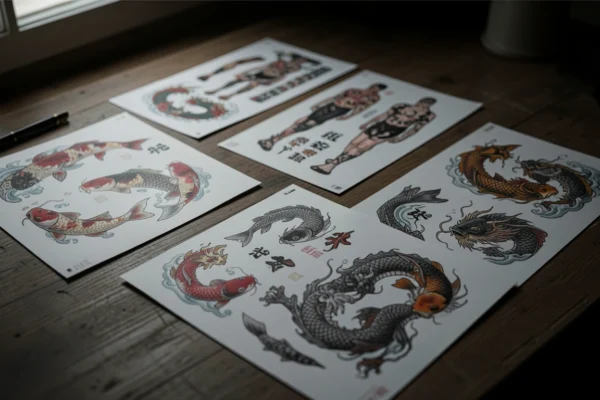
A sheet of Japanese designs is like a cheat-sheet for picking motifs. My sketchbook is full of ripped-out flash sheets – guilty as charged. If you’re collecting ideas, these are the best kind of references because they show how pieces read at different scales.
Owl On Shoulder
That owl has a playful posture and the placement over the shoulder looks great with clothing changes. I once joked about getting an animal that holds utensils – then I remembered this pin and laughed. Animals in Japanese tattoos can be both cute and ominous depending on color.
Chest Dragon Spread
Dragons are the workhorses of Japanese tattooing – they wrap and flow like nothing else. Back when I first started researching, I spent an embarrassingly long time deciding dragon direction. A chest piece like this reads as a statement and pulls in those classic colorful traditional japanese tattoos vibes.
Legs and Movement
Mixing leg placements shows how patterns travel with body curves – it’s mesmerizing. I keep imagining how these would look while walking down the street. Designs that respect anatomy always age better, so consider flow before detail.
Subtle Calf Detail
Sometimes smaller pieces are the ones you end up loving longest because they’re quiet and clever. My first tattoo was tiny and now I’m plotting a full sleeve, go figure. This is a cute choice if you want a hint of colorful traditional japanese tattoos without committing to a huge canvas.
Koi and Water Study
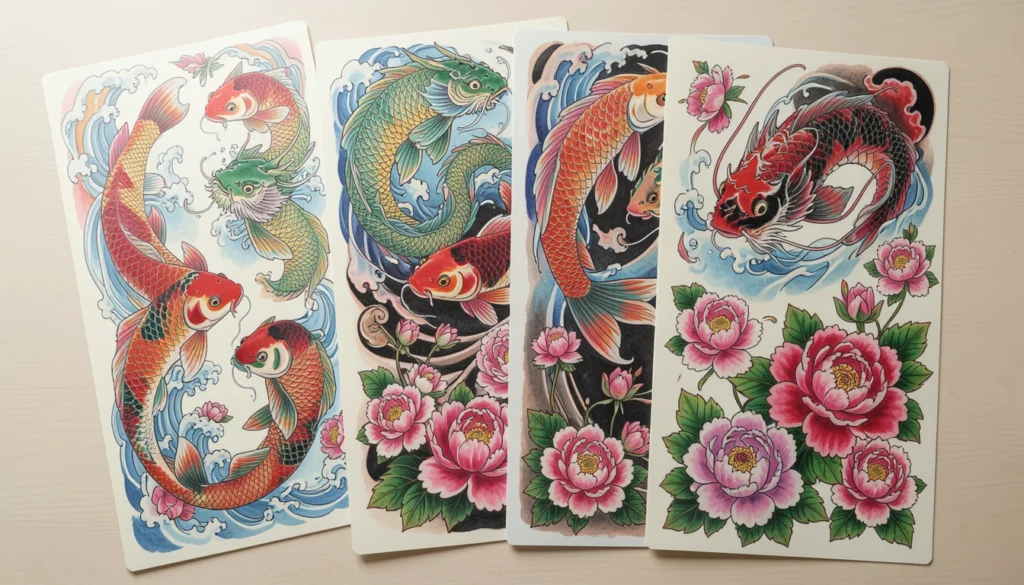
Flowing water lines and a koi are textbook Irezumi elements that always photograph well. I remember staring at river patterns in art books when I first fell for these designs. Koi motifs can be rearranged easily to fit shoulders, backs, or sleeves.
Blue Dragon Sleeve
That blue dragon leg sleeve is dramatic and intense in the best way. Honestly, I once considered doing a matching color theme just to see it through. Deep blues with pops of lighter tones give that aquatic, mythic feeling.
Blue Ink Arm Panel
Monochrome blue can be surprisingly vibrant when shaded right. My friend compared a blue sleeve to vintage porcelain and she was not wrong. This approach is great if you like a cohesive color story without the full rainbow.
Red Floral Sleeve
Red flowers against black linework read very classic and timeless. Back in college I sketched variations of this pin until the page was full. If you want drama, lean into reds and dark shadows.
Simple Arm Mark
Small arm tattoos like this are easy to hide and still feel meaningful. You could tie a small motif into a larger piece later. For many people that flexibility is the tie-breaker when deciding placement.
Minimalist Floral Arm
Delicate petals and sparse color mean this one reads as modern and fresh. Try imagining it with a thicker outline for contrast if you want longevity. Minimal pieces age beautifully if designed with good line weight.
Red-and-Black Contrast
High-contrast combos like red and black are arresting and photograph well. Once I saw a sleeve like this in person and it looked even better than the photo. Use contrast to guide where the eye lands in a complex composition.
Desk-to-Sleeve Inspiration
A tattoo visible while working on a laptop can feel like a daily pep talk. My current plan includes small bits I’ll notice during the workday. Subtle placement choices can keep your inspiration private or celebratory depending on what you want.
Birds and Color
Colorful birds add lift and motion to any sleeve, and they play nicely with wave patterns. I once swapped a floral for a bird in a mock-up and it transformed the whole composition. Little swaps like that make colorful traditional japanese tattoos feel personal.
Thigh Color Patch
Thigh pieces let you go big and keep things intimate when needed. My cousin’s thigh piece gets so many compliments in summer. Consider how your wardrobe will show or hide the work before committing.
Coffee Shop Mood
Sipping a green drink and sketching designs is my idea of a Sunday well spent. That candid vibe makes the tattoos feel lived-in and natural. Pieces that look like everyday art age into favorites.
Classic Arm Placement
Simple arm placements are easy to build around when you decide to expand. Wait, actually I’ve rearranged a few mock-ups after seeing how they drape on the arm. Start with a focal point and plan filler elements around it.
How to Actually Make This Work For You
Think about story first – whether you want a single statement piece or a sleeve that reads like a saga will dictate color choices and line weight, so sketch a rough map before booking. Next, be honest about your pain tolerance and schedule since sessions for colorful traditional japanese tattoos often require multiple long sittings; choose an artist whose portfolio shows healed work in similar palettes. Finally, actually talk through placement with your artist – ask how the design will sit when you move, and don’t be shy about requesting small test dots of color if you’re nervous about a hue.
Frequently Asked Questions
Pain really comes down to placement and your own tolerance. Areas over bone like ribs or shins will sting more, while fleshier spots are usually kinder. Plan for breaks and communicate with your artist so you don’t get overwhelmed.
Colors soften over time, especially if they get too much sun, but good inks and touch-ups keep them vibrant. Use sunscreen and moisturize to help the pigments stay true. Expect touch-ups every few years if you want museum-fresh color.
Yes, but be intentional – mixing neo-traditional or watercolor elements can work if the artist balances line weight and palette. Show examples so your artist knows the exact blend you want. Cohesion is the key to avoiding a jumbled look.
Ask to see healed photos, discuss session length, and talk about how certain colors might age on your skin tone. Also ask about aftercare and possible touch-up schedules. Good artists will welcome these questions and help set realistic expectations.
Alright, I hope this collection got your heart racing a little – colorful traditional japanese tattoos have a way of doing that. If one or two pins made you gasp, save them and pin to your board so you can bring a clear vision to your artist. Share with the friend who’s always saying “I want a sleeve” – they’ll thank you later, promise.