The first time I saw a full body piece in a tiny studio off an alley I felt my chest hurt – in the best way possible – because large traditional japanese tattoos can carry so much story and intention. I’d been sketching koi and chrysanthemums in the margins of notebooks for months before I finally let someone translate that messy passion onto skin.
I spent two summers researching artists, asking awkward questions in DMs, and standing nervously while a friend pointed out little details on photos, so believe me when I say this post exists because I wanted an organized, honest collection of looks that actually make people want to book a session. Picking reference images saved me from a lot of beginner mistakes, and I still keep a folder full of back pieces and sleeve ideas.
You’ll find 20 Pinterest pins below that I obsessed over, with short reactions, tiny tips, and the bits I wish I’d known before my first shading session. Enjoy the scroll – and maybe save a few for your own inspo board.
These 20 Large Traditional Japanese Tattoo Ideas That Make You Want to Book Right Now
Chest Dragon Flow
Bold and unapologetic, this chest-and-arm layout reminds me why I love large traditional japanese tattoos – they wrap muscle and movement so beautifully. That first dragon I saw had a curve that matched the client’s ribs, which made the whole piece feel alive. Honestly, if you’re thinking about a chest piece, this pin is the mood board starter you didn’t know you needed.
Full Back Bloom
Soft counterpoints of black and color give a classic full-back feminine energy in this image and made me picture how a robe would fall over it. I once sat with a friend who had a similar back piece and she kept catching my eye to show me new details – little flourishes change everything. When you plan a back canvas, think about how each panel will read from a distance and up close.
Brickwall Back Moment
Back shots against textured walls always win because the contrast makes the ink pop; this one felt like a portrait of strength to me. If you want a dramatic reveal on vacation photos, a wall like this is ideal for showing off scale. Also, when I was choosing my photographer, we tested shots in an urban alley and it made a huge difference.
Leg and Arm Myth
Dragons, clouds, and flowers marching up limbs in this design remind me how cohesive sleeves and leg pieces can be when they share motifs. You could easily plan sessions spanning months and still have each appointment feel like a chapter in one story. Planning for movement is key because large traditional japanese tattoos need room to breathe and flow.
Minimal Arm Statement
Simple placement, strong line work – this arm piece proves less can still read large when the composition is right. When I was debating between a sleeve or an arm segment, pieces like this convinced me to start small and build. Try picturing how the negative space will age, because contrast is what keeps traditional motifs readable.
Backpiece Male Classic
Dark fields with saturated highlights give this male backpiece a timeless look that nods straight to tradition. Friends of mine who collect small motifs eventually connected them into a back tapestry and the result was stunning. If you’re leaning into a classic aesthetic, prioritize an artist who gets scale and weight in composition.
Bedside Portrait
There’s a cinematic quality to someone photographed with their piece in an intimate scene like this; it reads like a character study. I remember flipping through hundreds of pins before stopping on images that felt like real people, not just flash art. Wait, actually… that moment convinced me that context can sell an idea more than a thousand sketches.
Red Blossoms Back
Red flowers and stark black leaves create a gorgeous contrast here and would age beautifully with touchups over time. Designers often use red as an accent in large traditional japanese tattoos to guide the eye across the piece. If you love floral motifs but want strength, this is a perfect reference.
Arm Pairing Duo
Seeing two people with complementary limbs makes me think about partnership tattoos and how motifs can play off each other. A friend and I once planned matching sleeves but ended up with mirrored elements instead – much more personal. Consider how shared themes look solo before committing to pair work.
Back Tattoo Overload
Full coverage like this is pure commitment and I admire how all those motifs coexist without the design feeling chaotic. When I scoped out artists, I watched for seamless borders between elements because that’s what makes a backpiece feel intentional. Remember that large traditional japanese tattoos often read best when there’s rhythm between dark and light areas.
Animal Motif Fusion
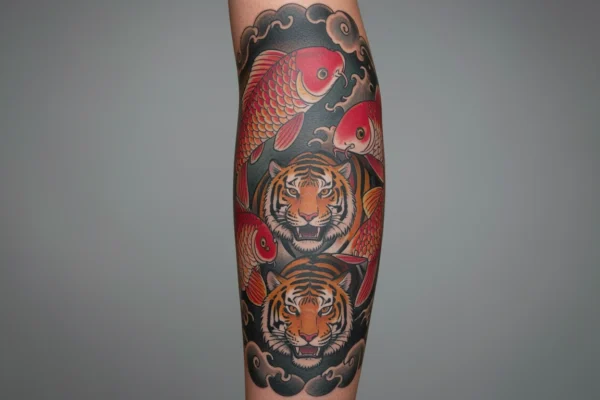
Animals woven into floral backgrounds are a staple for a reason – they balance symbolism with decorative beauty. I love how this pin blends creature and bloom so the animal feels part of the landscape rather than pasted on. If storytelling matters to you, choose species and plants with meaning.
Two Birds Ink
Simple black ink birds convey motion without loud color, offering a delicate counterpoint in a larger Japanese sleeve or back layout. A mentor once told me to imagine how small elements tie the whole composition together, and birds are perfect bridges. Try placing them where they can travel visually across panels.
Arm and Leg Motif Sheet
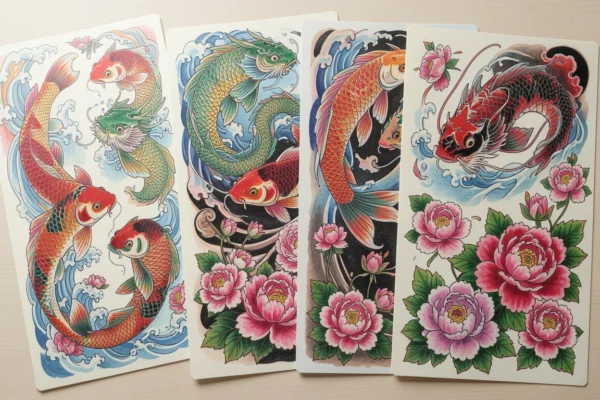
Assorted motifs on arm and leg pieces show how repeating florals and waves give a collection coherence, which is exactly what large traditional japanese tattoos aim for. I used a similar approach when planning my sleeve, matching pattern weights so nothing looked disconnected. Before booking a long session, map out which motifs will return so the piece reads unified.
Saturated Torso Composition
Heavy black fields with pops of color create dramatic silhouettes on the body and anchor the whole composition. When I visited a convention, pieces like this were the ones that stopped me in the hallway. If you want presence from across the room, prioritize bold silhouettes in your references.
Dragon Arm Classic
That coiled dragon arm makes me nostalgic for my first consultation where I realized scale matters more than detail at the start. Some artists sketch in gestures first to find the flow, and that method saved my sessions from getting awkward early on. Consider a gesture pass before committing to dense linework.
Monochrome Strength
Black and grey traditional motifs can be as powerful as color, especially when shading creates depth across muscle groups. My cousin went black-only and swears the maintenance felt simpler over time. If you prefer subtlety, this approach keeps designs timeless.
Illustrated Dragon Art
Drawn dragons layered over flowers here feel like a sketchbook come to life and show how illustrative references translate into skin. I keep printouts like this for sessions because they help explain the vibe I want. Artists appreciate clear direction, so bring a few annotated pins.
Floral Sleeve Harmony
Flowers and birds travel beautifully on a forearm and this layout uses negative space so the pieces don’t feel crowded. When I sat through my first four-hour block, the artist paused to check composition and that little conversation made the whole sleeve better. Communicate pacing expectations up front so sessions feel collaborative.
Torso Chest Merge
This chest-to-arm merge has a natural rhythm that reads as a single masterpiece rather than separate bits stuck together. I once watched an artist redraw borders to fix imbalances and it made me grateful for iterative work. If your plan spans multiple sessions, expect tweaks along the way.
Koi Back Portrait
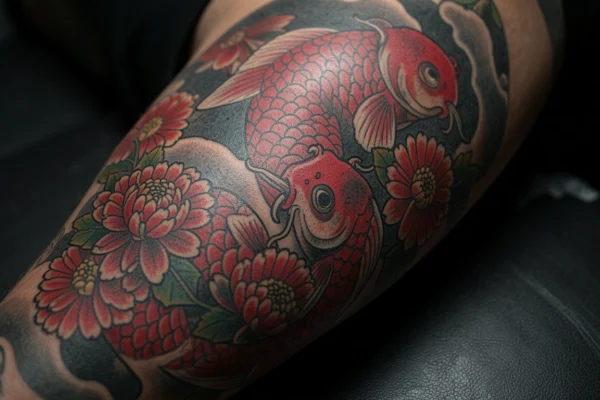
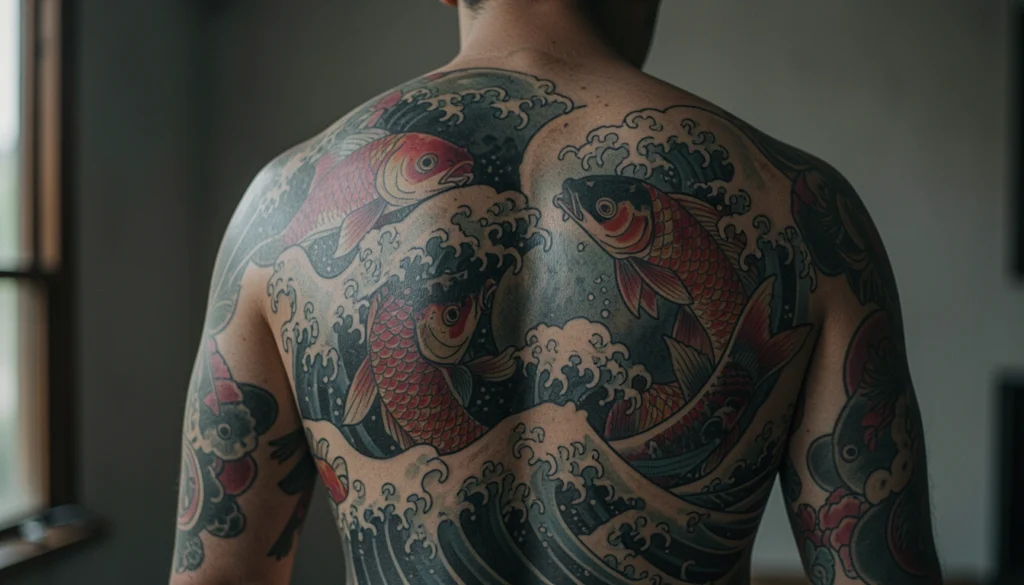
A fish motif can be poetic and fierce, and here the koi sits perfectly centered like a focal point in a painting. My friend who has a koi told me the symbolism kept her grounded during long sessions. Large traditional japanese tattoos use these kinds of anchors to tell a story across skin.
How to Actually Make This Work For You
Find an artist whose portfolio shows whole pieces, not just little snapshots, and ask to see healed photos because that tells you how their line weight and color age; schedule a consultation and bring a mix of references (close-ups for detail and full shots for flow) so your artist can understand the rhythm you want, and be ready to compromise on placement or scale because sometimes a small adjustment makes the entire composition read better on your body. Also, plan for time – both financially and in calendar blocks – since large traditional japanese tattoos are often multi-session projects, and if you’re nervous about commitment start with a mock-up or a temporary transfer to live with for a week so you can move around and check angles before penciling your first session. Finally, keep realistic expectations about pain and healing, follow aftercare closely, and build a relationship with your artist so touch-ups later feel natural rather than nerve-wracking.
Frequently Asked Questions
These pieces are typically multi-session projects that can span months or longer depending on size and detail, so plan for a long-term commitment and budget accordingly.
Pain is personal – placement and session length matter – but many people find that breaking work into shorter appointments keeps it totally doable.
Follow your artist’s instructions closely, keep the area clean, avoid baths, and use recommended moisturizers until the piece is fully healed to preserve color and clarity.
Yes – many artists use heavy blacks for silhouette and selective color accents for emphasis, which is a hallmark of the large traditional Japanese tattoo aesthetic.
Thanks for scrolling all the way through – if any of these large traditional japanese tattoos made your heart skip, save the pins and send them to a friend who understands obsession-level planning. I genuinely hope you find an artist who gets your vision and that your sessions feel equal parts terrifying and therapeutic – and if you end up booking anything, tell me about it; I love hearing the backstory.